
KDG

KDG Workspace

Professional Customer Service

Deep dialogue demanded between professionals — advancing essential problem-solving together, grounded in past cases and technical knowledge

Technical Consulting
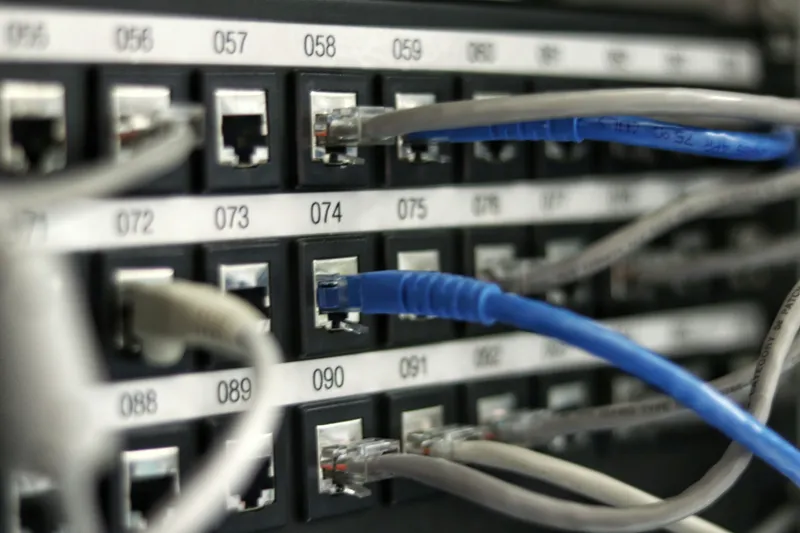
Communication Infrastructure Integrated Design Support
Details

Communication Infrastructure Integrated Design Support

Cross-functionally support communication infrastructure design where multi-layer constraints are interdependent — WiFi AP placement, PoE power supply, VLAN configuration, VPN design — using a knowledge base

Communication InfraWiFi DesignNetworkVLANIntegrated Design
Communication Infrastructure Integrated Design Support

Communication Infrastructure Integrated Design Support

Cross-functionally support communication infrastructure design where multi-layer constraints are interdependent — WiFi AP placement, PoE power supply, VLAN configuration, VPN design — using a knowledge base

Expected Challenges

In communication infrastructure design, multiple layers including WiFi AP placement, PoE power supply design, VLAN configuration, VPN design, and cabling are interdependent, with changes in one layer propagating to others.

Integration with Existing Workflows

Design support begins when customer drawings (floor layouts, building material information) and requirements (number of terminals, communication requirements, security policies) are submitted to the system. Existing CAD data and Excel requirement documents can be imported directly.

Leveraging KDG Knowledge

KDG systematizes design knowledge accumulated by veteran communication infrastructure SEs as patterns, including WiFi AP placement optimization patterns, PoE power supply capacity calculation rules, and VLAN design best practices.

WiFi AP Placement KnowledgePoE Power Supply DesignVLAN DesignCoverage/Traffic SimulationConstruction Constraints

Expected Outcomes

Automatically check cross-layer constraint consistency and standardize design quality to a level independent of years of experience.

Communication InfraWiFi DesignNetworkVLANIntegrated Design
Industrial Parts & Materials Selection Support
Details

Industrial Parts & Materials Selection Support

Interview customer usage conditions, environment, and constraints to propose optimal parts and materials with rationale. Present trade-offs and past cases
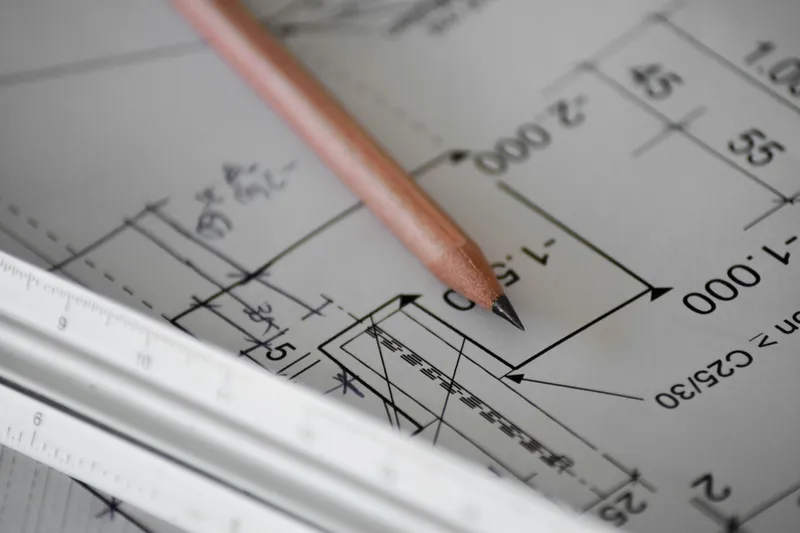
Parts SelectionTech SpecsComplianceAlternativesUsage Conditions
Industrial Parts & Materials Selection Support

Industrial Parts & Materials Selection Support

Interview customer usage conditions, environment, and constraints to propose optimal parts and materials with rationale. Present trade-offs and past cases

Expected Challenges

Selection of industrial fasteners (bolts, nuts, washers, etc.) is a highly specialized task requiring multi-dimensional combinatorial judgment across material, strength grade, surface treatment, usage environment, and fastening conditions.

Integration with Existing Workflows

Selection support begins when customer usage conditions (ambient temperature, humidity, presence of corrosive gases, vibration level, load conditions, mating material, etc.) are entered into the interview sheet.

Leveraging KDG Knowledge

KDG systematizes fastener selection expertise across seven categories, including strength characteristics by material, corrosion resistance and adhesion of surface treatments, compatibility with environmental conditions, and types and application conditions of locking mechanisms.

Material Strength KnowledgeSurface Treatment KnowledgeEnvironmental Compatibility KnowledgeLocking Mechanism KnowledgeStandard Cross-Reference KnowledgeTrouble Case StudiesAlternative Compatibility Knowledge

Expected Outcomes

Standardize fastener selection quality and avoid selection errors with evidence-backed rationale.

Parts SelectionTech SpecsComplianceAlternativesUsage Conditions
Technical Specification Counseling
Details

Technical Specification Counseling

Answer professional technical questions such as 'Can this be used under these conditions?' or 'Which standard does it comply with?' based on knowledge, presenting alternatives

Tech ConsultationSpec ComplianceStandard AssessmentCondition VerificationAlternatives
Technical Specification Counseling

Technical Specification Counseling

Answer professional technical questions such as 'Can this be used under these conditions?' or 'Which standard does it comply with?' based on knowledge, presenting alternatives

Expected Challenges

Selection and compliance assessment of explosion-proof electrical equipment is an extremely complex technical judgment requiring simultaneous evaluation of five-dimensional compatibility: Zone classification, gas group, temperature class, protection method, and certification.

Integration with Existing Workflows

Usage begins by accepting technical consultations from customers (designers, contractors, maintenance personnel). Installation environment information and equipment information are entered.

Leveraging KDG Knowledge

KDG systematizes expert knowledge on explosion-proof electrical equipment across seven categories, including the IEC 60079 series standard framework and technical characteristics of each protection method.

Standard Framework KnowledgeProtection Method KnowledgeGas Classification KnowledgeHazardous Area KnowledgeCertification KnowledgeEquipment Type KnowledgeTrouble Case Studies

Expected Outcomes

Execute five-dimensional compliance assessment for explosion-proof electrical equipment with standard clause citations, ensuring conservative safety-side judgments.

Tech ConsultationSpec ComplianceStandard AssessmentCondition VerificationAlternatives

Production Line Knowledge Support
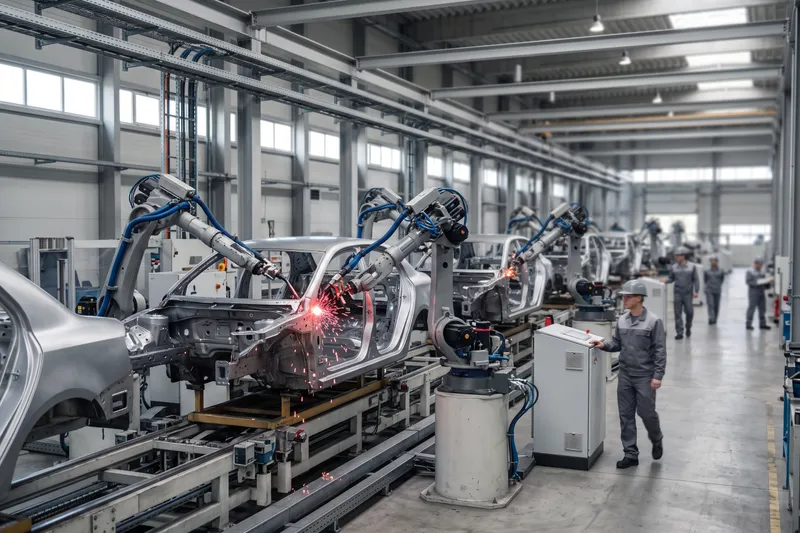
Field-Driven FTA/FMEA Analysis
Details

Field-Driven FTA/FMEA Analysis

Starting from equipment operation data and maintenance records, interactively extract veteran engineers' tacit knowledge to update design-time FTA/FMEA to reflect field reality
FTAFMEAFailure AnalysisMaintenance RecordsKnowledge Transfer
Field-Driven FTA/FMEA Analysis

Field-Driven FTA/FMEA Analysis

Starting from equipment operation data and maintenance records, interactively extract veteran engineers' tacit knowledge to update design-time FTA/FMEA to reflect field reality

Expected Challenges

FTA (Fault Tree Analysis) and FMEA (Failure Mode and Effects Analysis) created during the design phase are essential documents for ensuring equipment reliability, but at many sites they remain unupdated from design time, with the gap between actual operating environments and failure realities widening year by year.

Integration with Existing Workflows

Analysis begins by importing existing IoT sensor data and maintenance records (CMMS, etc.) into the system. No new data collection infrastructure needs to be built.

Leveraging KDG Knowledge

KDG systematizes the expert knowledge needed for FTA/FMEA analysis across seven categories, including causal mechanisms of failures, failure mode databases, and FTA/FMEA framework knowledge.

Causal Mechanism KnowledgeFailure Mode DBFTA/FMEA FrameworkIndustry StandardsDecision CriteriaDialogue PatternsVeteran Insights

Expected Outcomes

Help narrow the gap between design-time FTA/FMEA and field reality, and preserve veteran engineers' tacit knowledge as digital assets.

FTAFMEAFailure AnalysisMaintenance RecordsKnowledge Transfer
After-Sales Technical Support
Details

After-Sales Technical Support

Propose solutions and improvements for technical issues with products and equipment in operation, based on past case history and expert knowledge

After-SalesTroubleshootingOperations SupportPast CasesImprovement
After-Sales Technical Support

After-Sales Technical Support

Propose solutions and improvements for technical issues with products and equipment in operation, based on past case history and expert knowledge

Expected Challenges

Power receiving and distribution equipment (transformers, circuit breakers, protective relays, etc.) is social infrastructure operated over long periods, and accurately understanding the progress of aging degradation is the lifeline of stable supply.

Integration with Existing Workflows

Engineers begin consulting this system when equipment anomaly signs appear or at periodic diagnostic intervals. No changes to existing maintenance workflows are required — it directly replaces the conventional process of 'calling a veteran for consultation.'

Leveraging KDG Knowledge

KDG systematizes the diagnostic knowledge accumulated over many years by veteran power equipment engineers across eight categories. When diagnostic data is input, it constructs a 'diagnostic context' considering equipment type, operating conditions, and aging information.

Transformer DGA KnowledgeCircuit Breaker KnowledgeProtective Relay KnowledgeInsulation Diagnostic StandardsRegulatory KnowledgeReplacement/Life-Extension DecisionsIncident Case StudiesProduct-Specific Knowledge

Expected Outcomes

Enable the entire process from diagnostic data interpretation to replacement/life-extension decisions, even without veteran engineers on site.

After-SalesTroubleshootingOperations SupportPast CasesImprovement